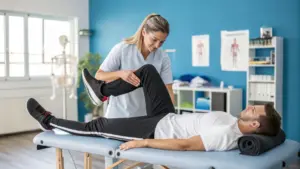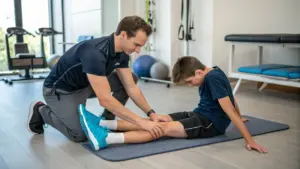

Athlete recovery is a multifaceted process that involves restoring physiological and psychological balance after intense physical activity. Adequate sleep is paramount, allowing the body to repair tissues, consolidate memories, and regulate hormones. Nutrition plays a vital role in replenishing glycogen stores, providing essential nutrients for muscle repair, and reducing inflammation. Active recovery techniques, such as light cardio or stretching, can enhance blood flow and promote the removal of metabolic waste products.
Various modalities can further enhance athlete recovery, including massage therapy, cryotherapy, and compression garments. Massage therapy can alleviate muscle soreness, reduce tension, and improve circulation. Cryotherapy, such as ice baths or whole-body cryotherapy, can reduce inflammation and pain. Compression garments can enhance blood flow and reduce muscle swelling. The choice of recovery modalities should be tailored to the individual athlete’s needs and preferences.
Monitoring recovery markers is crucial for optimizing training and preventing overtraining. Heart rate variability (HRV), sleep quality, and subjective measures of fatigue and muscle soreness can provide valuable insights into an athlete’s recovery status. By tracking these markers, coaches and athletes can adjust training loads and recovery strategies to maximize performance and minimize the risk of injury. Ultimately, prioritizing recovery is essential for athletes to achieve their full potential and sustain long-term success.