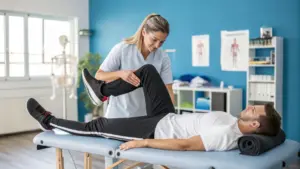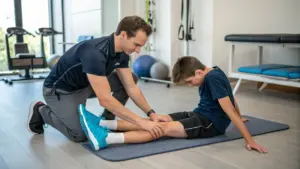
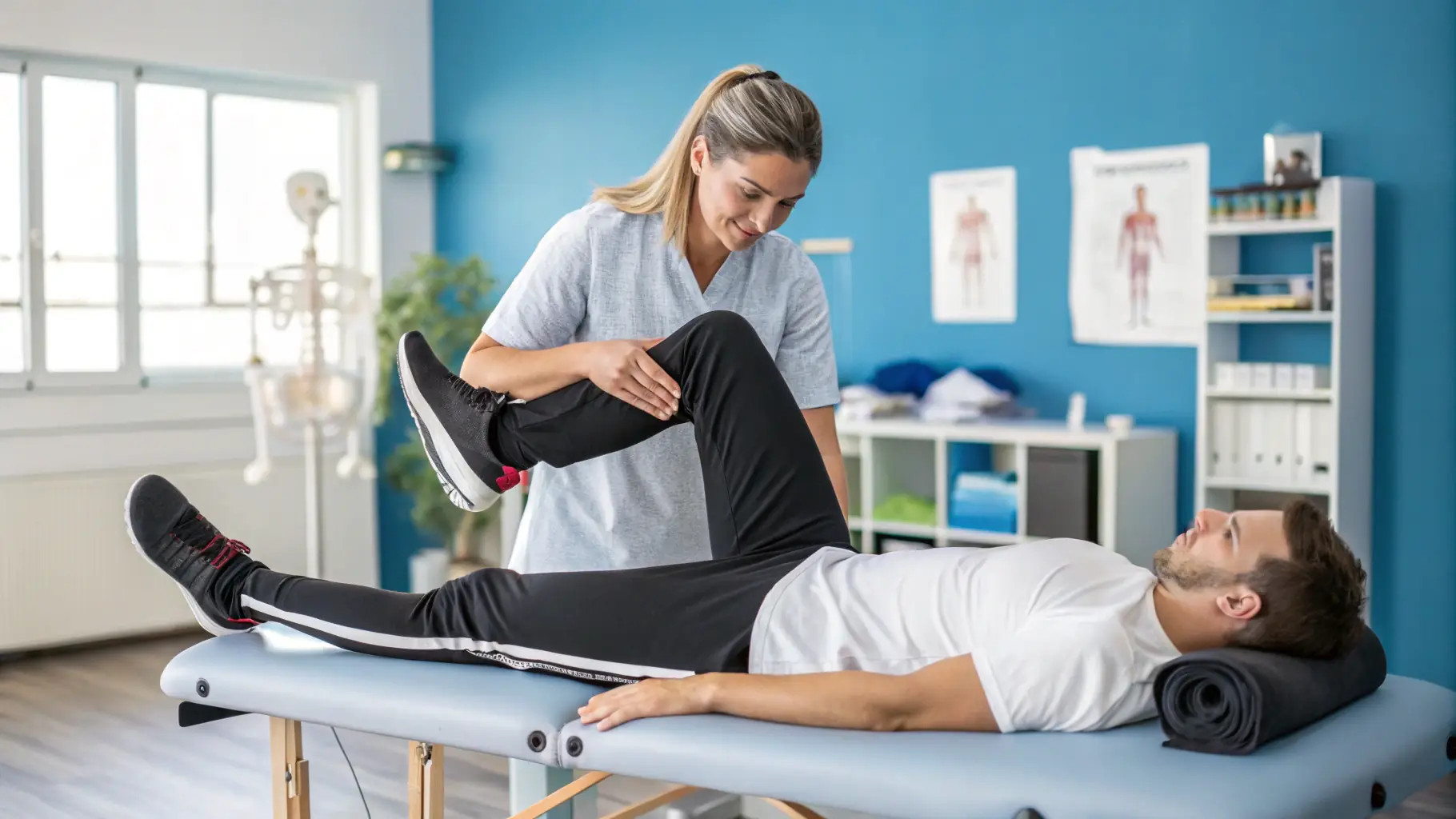
Rehabilitation is a structured process designed to restore an athlete’s physical function and return them to sport after an injury. The initial phase focuses on pain management, reducing inflammation, and protecting the injured tissues. As healing progresses, the rehabilitation program gradually introduces exercises to improve range of motion, strength, and stability. Functional exercises that mimic sport-specific movements are incorporated to prepare the athlete for the demands of competition.
A multidisciplinary approach is often necessary for successful rehabilitation, involving collaboration between sports medicine physicians, physical therapists, athletic trainers, and other healthcare professionals. The rehabilitation program should be individualized to the athlete’s specific injury, sport, and goals. Regular assessments are conducted to monitor progress and adjust the program as needed. Psychological support is also crucial, as athletes may experience frustration, anxiety, or fear during the rehabilitation process.
Returning to sport after an injury requires careful planning and a gradual progression of activity. The athlete should meet specific criteria for strength, function, and pain control before resuming full training. A return-to-sport protocol typically involves a gradual increase in training volume and intensity, with close monitoring for any signs of re-injury. Ultimately, the goal of rehabilitation is to restore the athlete to their pre-injury level of performance and prevent future injuries.